
10 Pinterest Mistakes Home Decor Bloggers Make (And How to Fix Them)
Common Pinterest mistakes can quietly block traffic growth for home decor bloggers. In this guide, discover the most common strategy and design errors — and how to fix them for consistent, long-term results.
CREATOR RESOURCES
2/17/20263 min read
Please note that some images are for inspiration and may include AI-generated visuals to share the vision.
Pinterest can feel confusing when you’re doing everything “right” — posting consistently, designing beautiful pins, staying in your niche — yet traffic isn’t growing the way you expected.
The truth is, most home decor bloggers don’t struggle because they aren’t trying hard enough.
They struggle because of small strategic mistakes that compound over time.
If you haven’t mapped out your overall approach yet, start with The Pinterest Growth Strategy for Home Decor Creators (Beginner Guide) — it breaks down the full system before you refine the details.
If you're a home decor creator, these free Pinterest pin templates can help you design pins faster.
Here are the most common Pinterest mistakes — and what to do instead.
1. Prioritizing Aesthetic Over Search Intent
Pinterest is a visual platform, but it’s also a search engine driven by keywords.
A pin titled:
“Cozy Corner Inspiration”
Will almost always underperform compared to:
“Small Cozy Living Room Ideas for Apartments”
The fix:
Start with what people are searching for — then make it beautiful.
Search clarity always comes before aesthetic styling.
2. Being Too Broad With Your Niche
If you pin:
Modern decor
Farmhouse
Minimalist
Budget DIY
Luxury interiors
All at once, Pinterest struggles to categorize your account.
The fix:
Narrow your content focus so Pinterest can clearly understand your niche positioning.
Clarity improves discoverability.
3. Using Vague or Generic Headlines
Headlines like:
“Decor Ideas You’ll Love”
Don’t give Pinterest enough context.
Stronger alternative:
“Neutral Fall Living Room Decor Ideas”
Specific words = better indexing.
4. Designing Pins Without Clear Hierarchy
When text is:
Too small
Too decorative
Blended into the background
Your pin becomes hard to read — especially on mobile.
The fix:
Use clear font hierarchy:
Main headline bold
Supporting text smaller
High contrast between text and image
Clickable pins are readable pins.
If you want a step-by-step breakdown of layout, font hierarchy, and what actually makes a pin convert, read How to Design Pinterest Pins That Actually Get Clicks (Home Decor Edition).
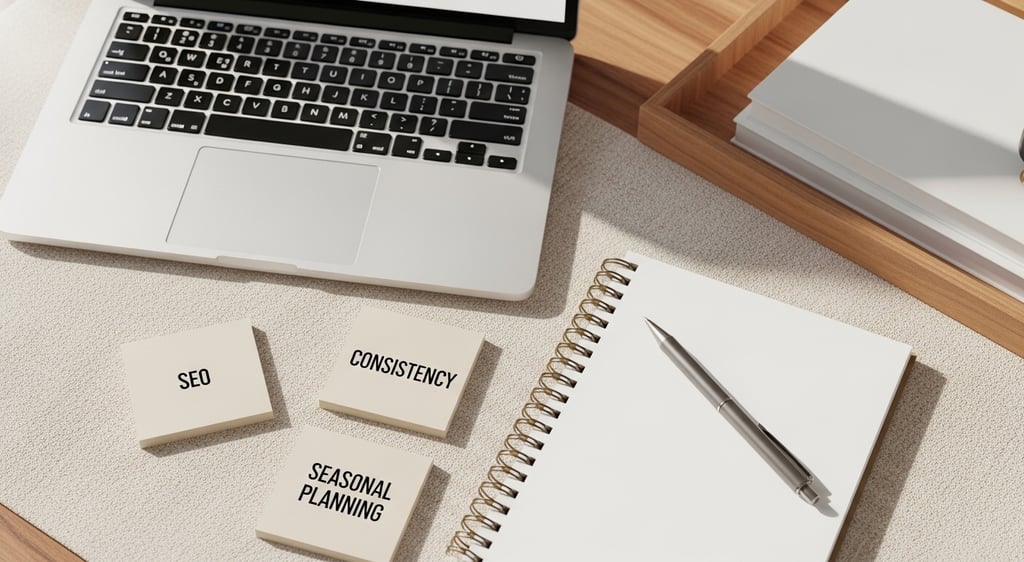
5. Posting Without a Consistent Rhythm
Random posting patterns make growth harder to measure and refine.
You don’t need high volume — you need sustainable consistency.
The fix:
Start with 1–2 pins per day and maintain that rhythm.
Pinterest rewards consistency over intensity.
6. Ignoring Seasonal Planning
Home decor is seasonal by nature.
If you start pinning Christmas decor in December, you’re already late.
Pinterest users plan weeks — sometimes months — ahead.
The fix:
Publish seasonal decor content early:
Fall in late summer
Winter in early fall
Spring in winter
Think ahead of your audience.
7. Linking to Weak or Thin Blog Posts
Pinterest may drive traffic — but your blog must convert that traffic into meaningful engagement.
If your blog post:
Is too short
Lacks structure
Doesn’t match the headline promise
Visitors leave quickly.
The fix:
Ensure your blog content:
Matches your pin title clearly
Has strong headings
Provides real value and actionable ideas
Pinterest growth depends on strong blog foundations.
8. Not Repurposing Blog Content Strategically
Many bloggers create one pin per blog post and move on.
That limits reach.
The fix:
Turn one blog post into:
Multiple headline variations
Different image styles
Seasonal angles
Repurposing increases visibility without creating new content from scratch — but vary your visual design as well. Using the exact same template repeatedly can reduce engagement over time.
9. Obsessing Over Daily Analytics
Pinterest growth is rarely linear.
It’s normal to see:
Traffic spikes
Sudden dips
Flat periods
Checking analytics daily creates unnecessary panic.
The fix:
Review performance monthly.
Look for patterns, not daily fluctuations.
Growth compounds over time.
10. Relying on Luck Instead of Systems
The biggest mistake isn’t one specific tactic.
It’s relying on randomness instead of structure.
Pinterest works best when you combine:
Clear niche positioning
Search-focused content
Consistent pin design
Seasonal planning
Sustainable posting
When those elements align, growth becomes predictable — not accidental.
Final Thoughts
If your Pinterest traffic feels inconsistent, it doesn’t mean your account is failing.
It usually means your strategy needs refinement — not reinvention.
Avoiding these common mistakes won’t create overnight growth.
But it will build something far more valuable:
Long-term, sustainable traffic for your home decor blog. And that’s what turns Pinterest into a true growth tool — not just a content platform.

Want to grow faster on Pinterest?
Get strategic guides and creator resources delivered straight to your inbox.

Stay Connected
Join our community for cozy inspiration and creative growth.
© 2026. Timeless Nook - All rights reserved.
Privacy Policy | Terms & Conditions